Every teacher and parent knows the moment: the room has been loud, and you need ten calm minutes. A single printable coloring page, plus a little structure, can give you exactly that. Here are practical ideas that work in a classroom, a homeschool corner or a living room.
The short version
- Set up the stations before the children sit down.
- Give each child one page and a small, clear choice of colors.
- Use a visible timer so "quiet time" has a clear start and end.
- Have a "finished early" option ready so nobody wanders.
1. Prepare the pages before quiet time starts
Print a few more pages than you have children, and put them in a folder or tray. Handing out a page takes seconds, and it keeps the transition calm. If you are new to printing, our guide on how to print coloring pages at home covers the settings that keep the drawing on the page.
2. Offer a small choice
Let each child pick one page from two or three. A small choice gives children a sense of control and cuts down on "I don't want that one." Keep the choices at a similar level so everybody can succeed. For help matching pages to ages, see how to choose coloring pages by age.
3. Limit the supplies
A tray with six to eight crayons per child is usually plenty. Too many options make children hunt through the box instead of settling in. Washable markers are fine for older preschoolers, but crayons are quieter and less messy.
4. Use a visible timer
A sand timer or a simple timer on a screen helps children see how long quiet time will last. Ten minutes is a good starting point for preschoolers. You can lengthen it as children get used to the routine.
5. Try a "color by instruction" round
For a bit more structure, call out one instruction at a time, such as "color the big leaf green" or "give the dinosaur a blue tail." Children listen, choose a crayon and color at their own pace. It is a calm activity that also practices listening and color words.
6. Have a "finished early" option
Some children finish in two minutes. Keep a basket with a few alternatives ready: a second page, a picture book, or a blank sheet for free drawing. A short list posted on the wall (in pictures, for children who cannot read yet) helps a lot.
7. Make a class display
When children know their page might go on the wall, they often take more care. Hang the finished pages with tape or clothespins on a string, and let every child say one thing about their picture. This turns a quiet activity into a small sharing moment.
A simple routine you can copy
- 1 minute: hand out pages and trays.
- 10 minutes: quiet coloring with the timer visible.
- 2 minutes: finished pages go on a drying rack or the display line.
- 1 minute: tidy up the crayons together.
Free pages to start with
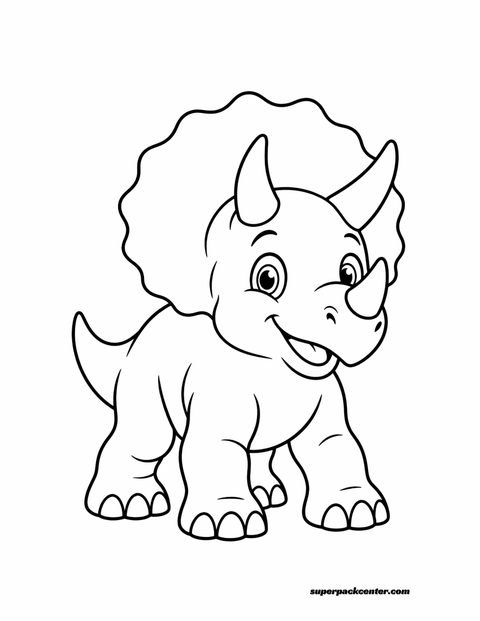
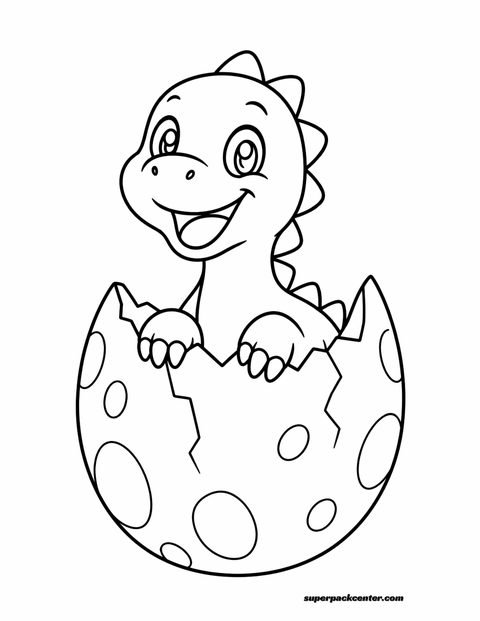
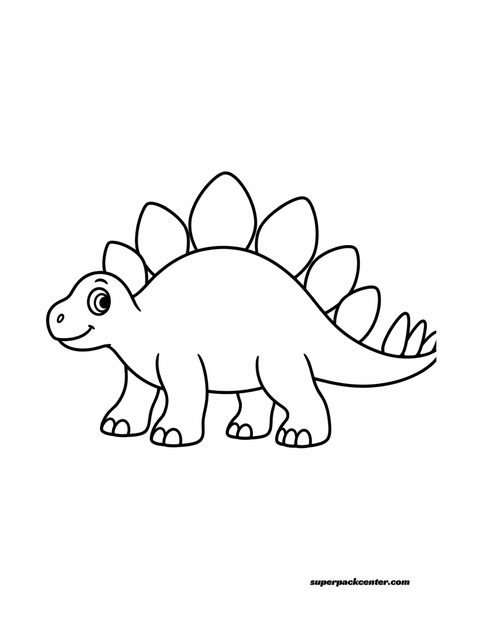
The free Dino Friends pack has six bold, simple pages for toddlers and preschoolers, plus one detailed dinosaur scene for children who finish early. You are welcome to print it for your classroom.