The right coloring page is one a child can finish and feel proud of. A page that is too hard ends in frustration, and one that is too easy gets abandoned in a minute. Here is a simple way to match a page to your child or your classroom.
The short version
- Toddler / Preschool: one big subject, thick lines, large open areas.
- Kindergarten / Grades 1–2: a few separate parts and some small details.
- Grades 3–5: full scenes with patterns and many small areas.
- Age is only a starting point. Always let the child's own interest and hands decide.
Why the level matters
Children differ a lot in how steady their hands are and how long they like to sit with one activity. These are general observations from everyday use, not medical or developmental advice: a child who is just starting with crayons usually enjoys big shapes, while an older child often wants more to explore and more room for their own choices. If a page is not working, try the next level up or down instead of pushing through.
Toddler / Preschool
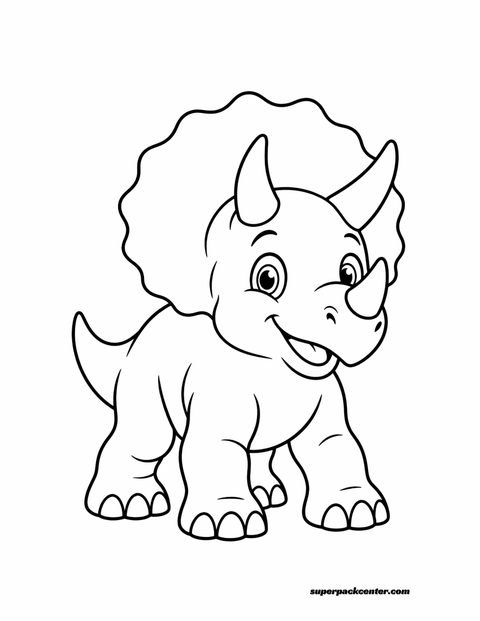
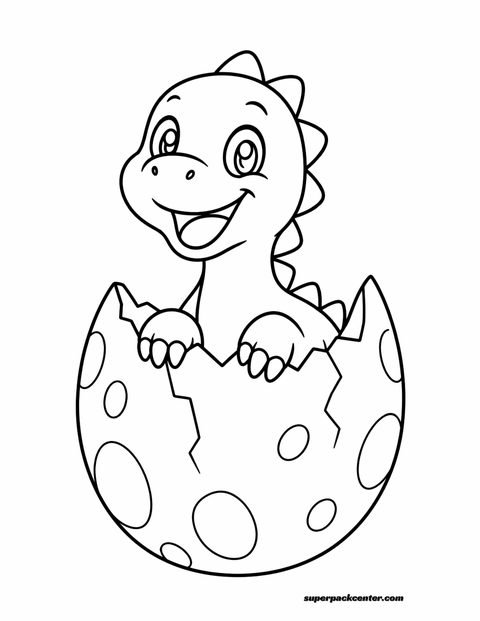
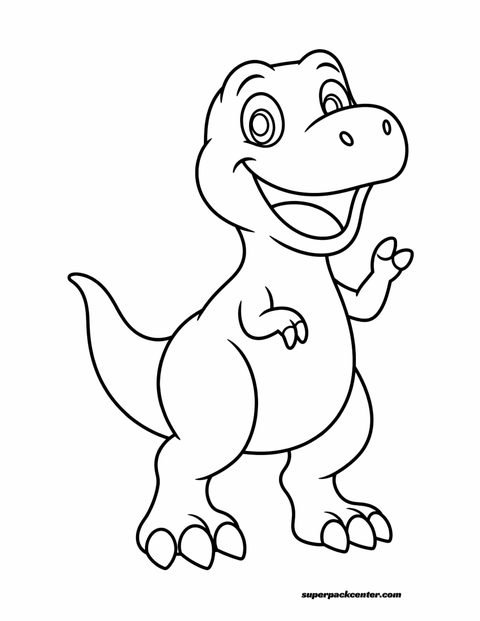
What to look for: a single, clearly drawn subject, bold outlines, big open areas and no tiny details. A friendly animal with a simple face is perfect.
Tips: use chunky crayons or washable markers, and do not worry about staying inside the lines. For many small children, the goal is to enjoy the color and the motion, not to finish a perfect picture. Sit with them for the first few minutes, and keep the page and the crayons within easy reach.
Kindergarten / Grades 1–2
What to look for: pages with a few separate parts (an animal and a tree, for example) and some small details such as spots, leaves or eyelashes. The lines can be thinner, and there can be more areas to fill.
Tips: this is a good age for regular crayons, colored pencils and washable markers. Ask your child to pick three or four colors for the whole page, or to color every shape of one kind the same way. Small choices like these make a page feel more like their own.
Grades 3–5
What to look for: full scenes with backgrounds, patterns and many small areas. Older children often like pages they can spend a longer stretch on and that give them room to blend, shade or invent their own color schemes.
Tips: colored pencils and fine-tip markers work well. Try asking them to give the scene a mood, such as a sunset valley or a rainy day, and to pick a palette to match.
Mixing levels at home or in the classroom
If you have children of different ages, give them different pages from the same theme. They can sit together and color the same subject, each at their own level, and nobody feels left out. A pack that contains both simple pages and one detailed scene makes this easy, because everyone gets something that fits.
Signs a page is not the right level
- Too hard: the child gives up quickly, scribbles over the page, or asks you to do it.
- Too easy: the child finishes in seconds and looks for something else to do.
Either way, nothing is wrong. Swap the page and try again.
Where to start
Our free Dino Friends pack has six bold, simple pages for toddlers and preschoolers, plus one detailed dinosaur valley scene for older children. To get the pages ready, see our guide on how to print coloring pages at home.